Explore Our Case Studies
A showcase of our recent software developments, e-commerce solutions, and digital transformation projects.
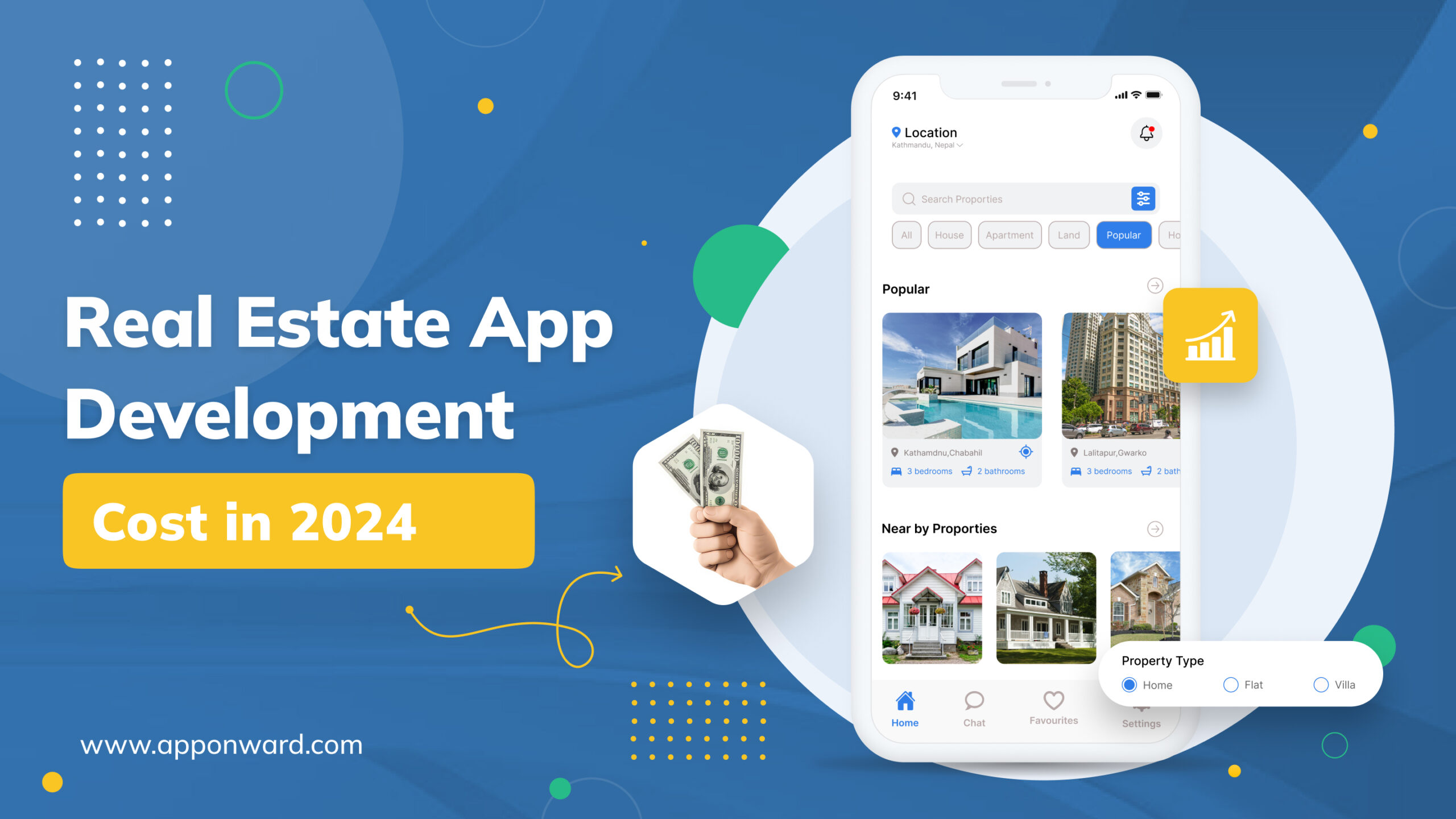
Real estate application
Real Estate Application DevelopmentReal estate application development is the process of building digital platforms—such as mobile apps and web portals—designed to streamline the buying, selling, renting, and management of properties. These applications act as a bridge between property seekers, real estate agents, brokers, and property managers, digitizing traditional real estate workflows.Core Development PhasesMarket Strategy & Scope: Defining the app's primary function (e.g., a property marketplace like Zillow, a property management tool, or an internal CRM for an agency) and identifying target users.UI/UX Design: Designing intuitive, map-centric interfaces and highly visual property detail pages that prioritize high-quality images and clear calls-to-action.Architecture & Database Design: Structuring a robust backend capable of handling massive databases of properties, high-resolution media, and complex filtering algorithms.API & Third-Party Integration: Connecting the application to external services like mapping software, virtual tour providers, and real estate databases.Testing & Quality Assurance: Ensuring location-based services work accurately, data feeds sync without lag, and the platform is secure for handling financial or personal data.Essential Features of a Real Estate AppModuleCore CapabilitiesProperty Seekers (B2C)Map-based search, extensive filtering (price, beds, amenities), 3D virtual tours, saved listings, and in-app mortgage calculators.Agents & Brokers (B2B)CRM tools for lead tracking, listing management dashboards, direct messaging, and calendar scheduling for viewings.Platform & AdminUser authentication, document management (e-signatures), role-based access control, and platform analytics.Key Technical Requirement: A successful real estate marketplace relies heavily on MLS (Multiple Listing Service) or IDX (Internet Data Exchange) integration. This ensures the app automatically pulls and displays real-time, accurate property data from regional databases.
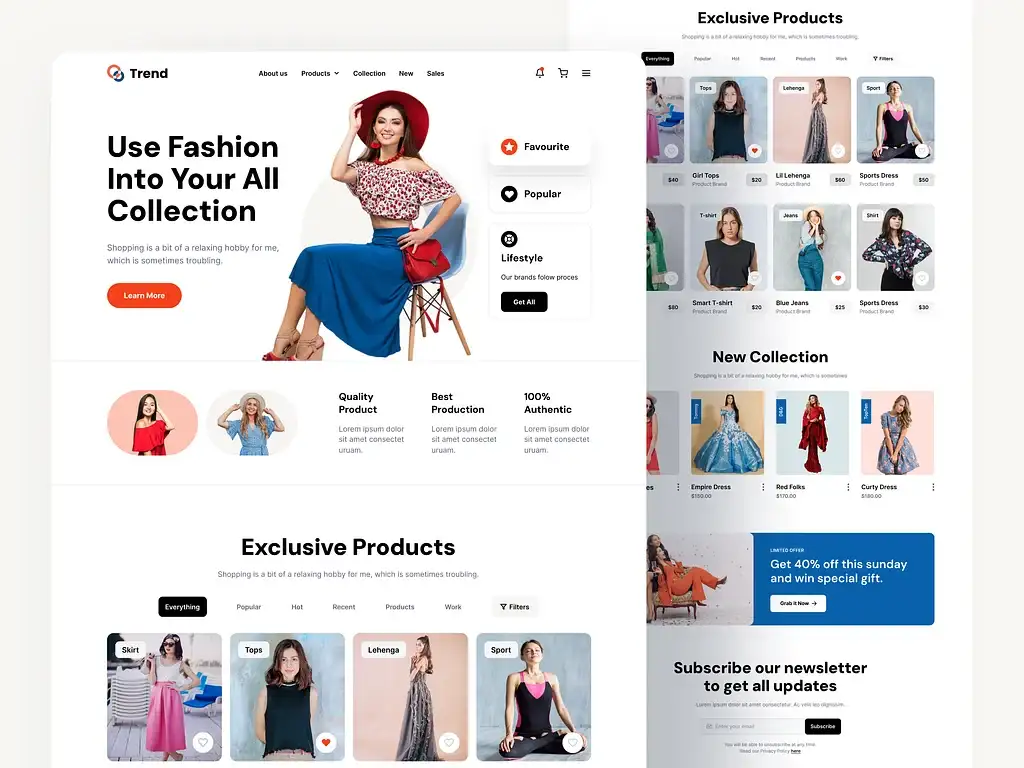
Ecommerce Website
Ecommerce Website DevelopmentEcommerce website development is the comprehensive process of building an online platform where businesses can sell products or services directly to consumers. It encompasses everything from the initial strategic planning and user interface design to backend coding, payment gateway integration, and security implementation.Core Development PhasesDiscovery and Strategy: Defining the target audience, business goals, and selecting the right technology stack (e.g., Shopify, WooCommerce, Magento, or a custom build).UI/UX Design: Creating wireframes and visual mockups to ensure a seamless, intuitive, and mobile-responsive shopping experience.Frontend Development: Translating the design into interactive and functional web pages.Backend Development: Building the server-side logic, database architecture, and API integrations to manage inventory, users, and transactions.Systems Integration: Connecting third-party services such as payment gateways, CRM software, and shipping providers.Testing and Quality Assurance: Conducting rigorous testing for security vulnerabilities, load capacity, cross-browser compatibility, and bug fixes.Launch and Maintenance: Deploying the site to a live server, followed by ongoing technical support, updates, and performance optimization.Essential Features of an Ecommerce PlatformFeature CategoryCore CapabilitiesCustomer Experience (Front-End)Product search and filtering, customer reviews, mobile responsiveness, secure checkout, wishlist, and shopping cart management.Store Management (Back-End)Inventory tracking, order fulfillment workflows, user access control, sales analytics dashboards, and automated tax calculators.Security & ComplianceSSL certification, PCI compliance for payments, data encryption, and fraud detection protocols.Note: A successful ecommerce development project prioritizes both page loading speed and data security, as these directly impact user conversion rates and customer trust.

Education Application
Education Application DevelopmentEducation application development (often referred to as EdTech development) is the process of creating digital platforms designed to facilitate teaching, learning, and institutional management. These applications range from e-learning marketplaces (like Udemy or Coursera) and corporate training portals to comprehensive Learning Management Systems (LMS) used by schools and universities.Core Development PhasesConceptualization & Scope: Defining the target audience (e.g., K-12 students, university attendees, or corporate employees) and the primary learning model (synchronous live classes vs. asynchronous self-paced courses).UI/UX Design: Creating a learner-centric interface that prioritizes accessibility, minimizes cognitive load, and incorporates engagement mechanics like gamification (badges, progress bars).Content Architecture: Structuring how educational material—such as video lectures, interactive modules, and quizzes—will be hosted, categorized, and delivered.Backend & Frontend Development: Building a scalable infrastructure capable of handling high-bandwidth video streaming, real-time collaboration, and complex user databases.Systems Integration: Connecting external tools like video conferencing APIs (e.g., Zoom, WebRTC), payment gateways for course enrollment, and cloud storage.Testing & Compliance: Rigorous testing for cross-device compatibility, accessibility standards (WCAG), and strict data privacy regulations.Essential Features of an EdTech PlatformModuleCore CapabilitiesLearner ExperienceVideo streaming with speed controls, interactive quizzes, progress dashboards, offline mode, and discussion forums.Educator & Admin ToolsDrag-and-drop course builders, automated grading, student performance analytics, and mass communication tools.Security & ComplianceRole-based access control, secure data encryption, and compliance with educational privacy laws.Key Technical Requirement: Unlike many other sectors, education apps must strictly adhere to specific data privacy regulations depending on their audience—such as FERPA (Family Educational Rights and Privacy Act) in the US, COPPA (Children's Online Privacy Protection Act) for users under 13, and global standards like GDPR.